
PRESENTING THE TREMOFLO® C-100
Our Classic AOS® Device
The Gold Standard in Oscillometry
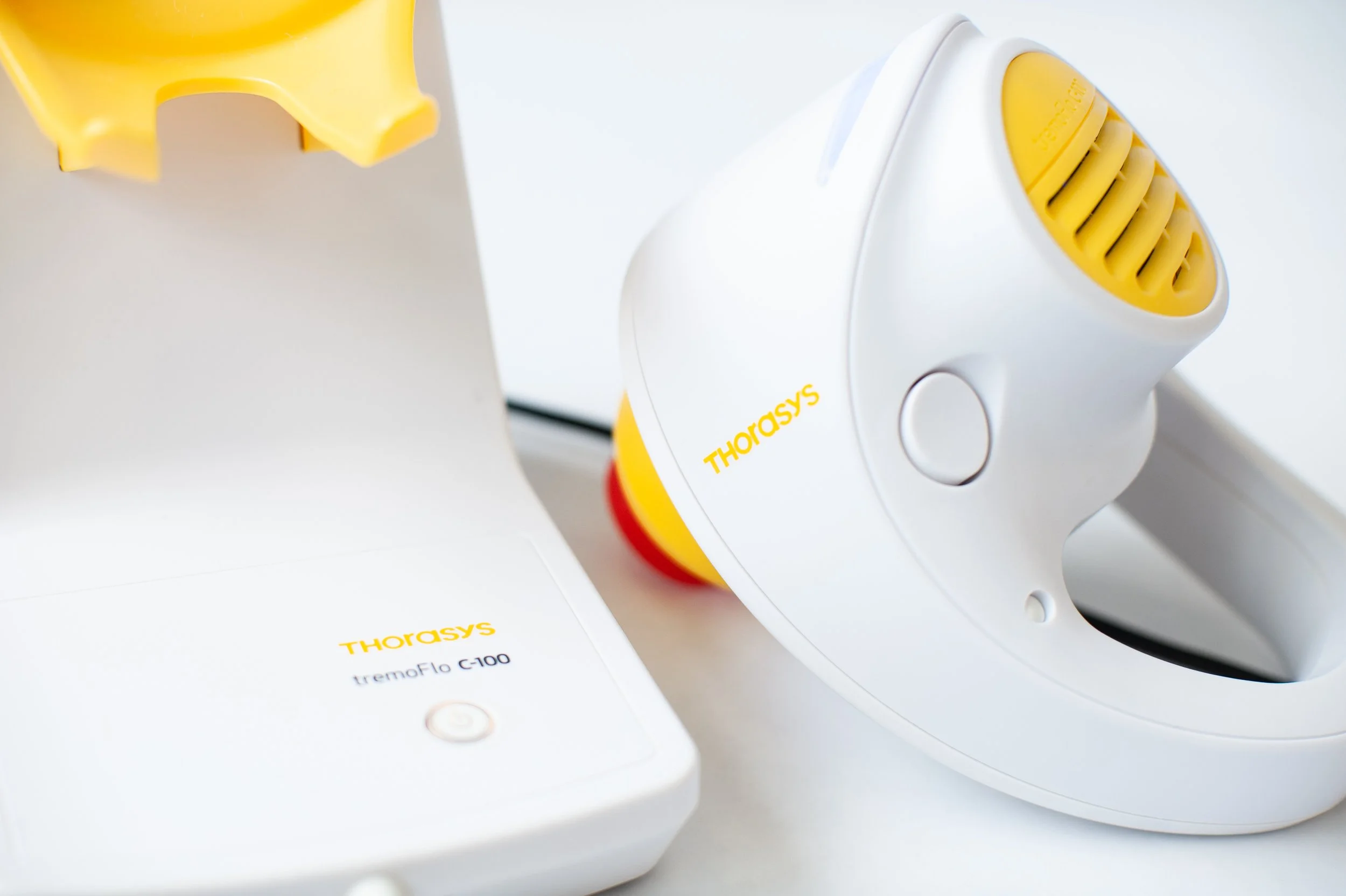
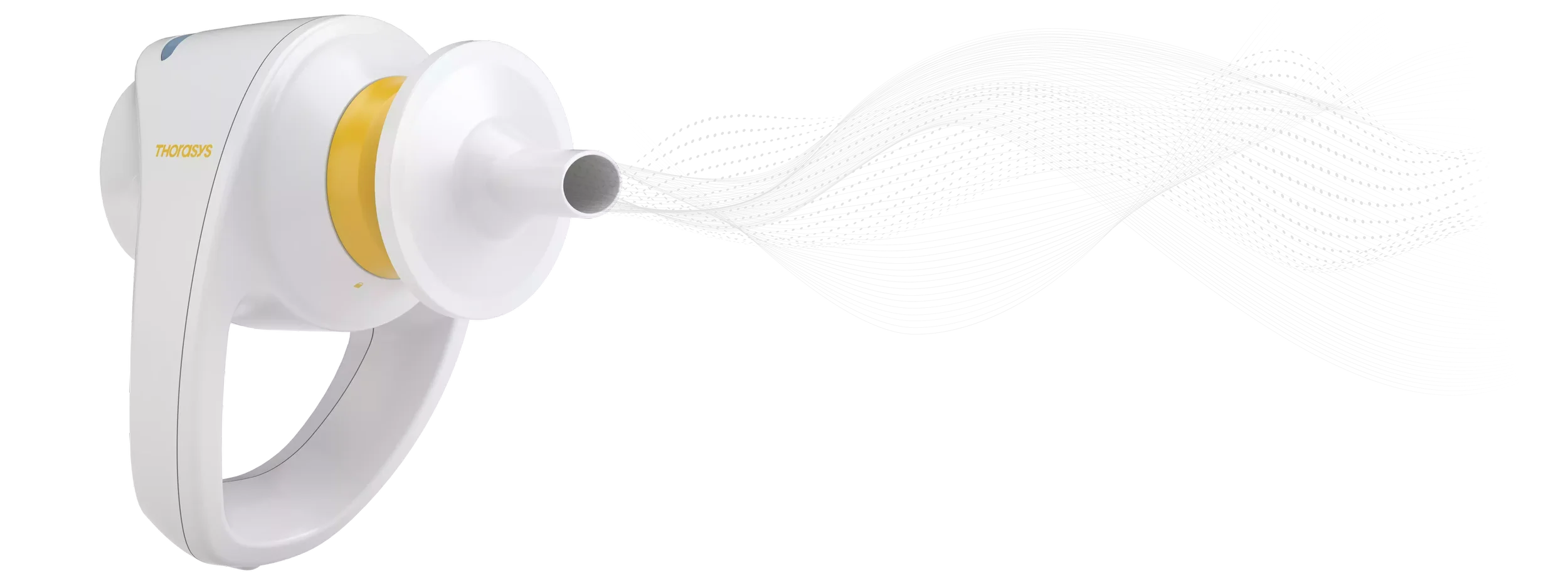
The tremoflo® C-100 Airwave Oscillometry System® (AOS System)
…is a sophisticated, compact device which provides quantitative information on both large and small airway function. Measurements from the tremoflo® are fast and easy to obtain, requiring only quiet breathing from the patient. The tremoflo® C-100 involves little operator–patient coordination. This simple handheld device superimposes a gentle oscillatory wave on the patient’s normal breathing to provide several key outcome parameters of respiratory mechanics.
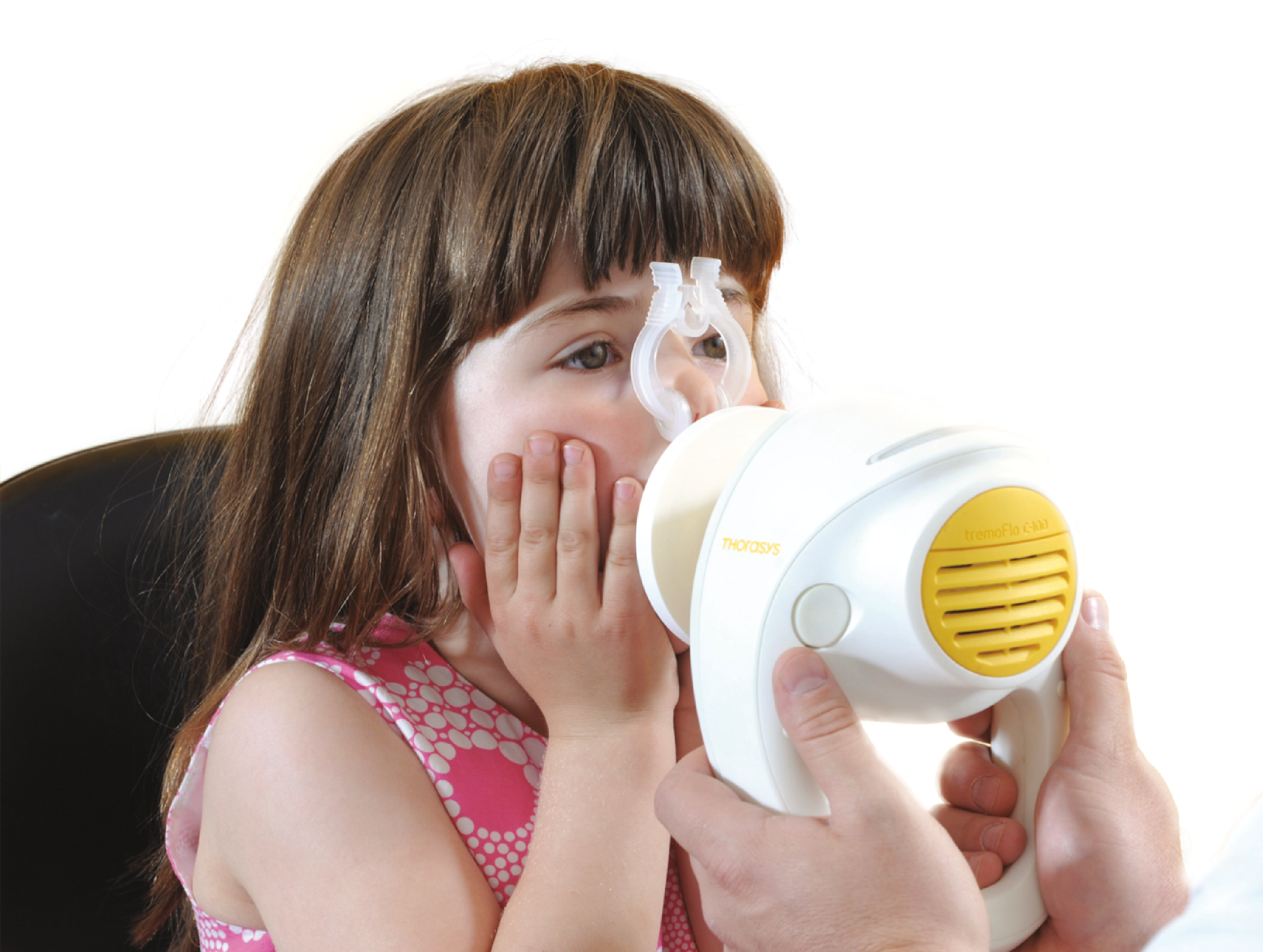
Fast and Easy Measurement. Just Breathe Quietly.
To assess respiratory function, the tremoflo adds a gentle oscillatory wave to the patient’s regular, quiet breathing. A short measurement duration of only 20 seconds allows three repetitions within a couple of minutes, even in patients who have difficulty performing spirometry.
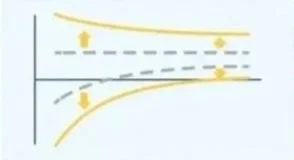
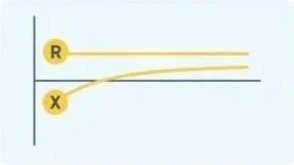
Characteristic Patterns
The Resistance curve shown to reflect central and peripheral airways.
R
The Reactance curve shown to reflect elasticity and peripheral airways.
X
Normal
Peripheral Obstruction
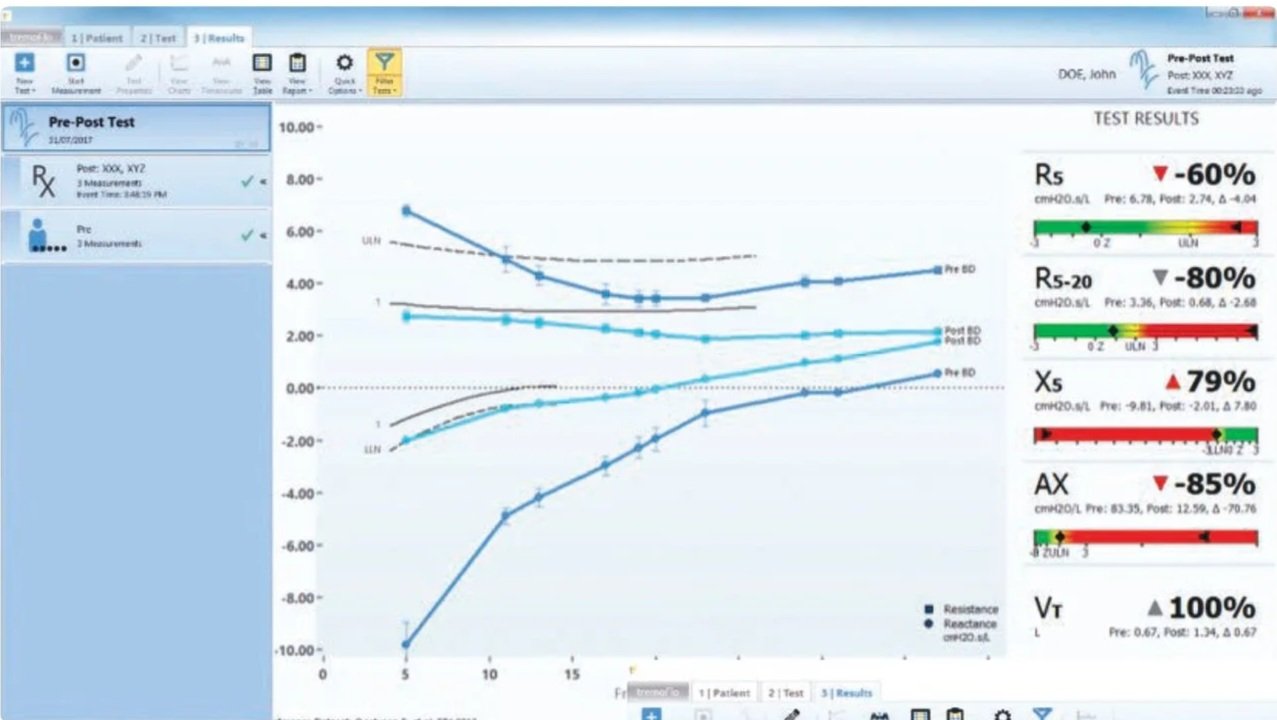
The tremoflo® software is easy to use and guides operators through the step-by-step procedures. It plots patient values on easy to interpret green-yellow-red gauge scales that visually indicate a patient’s deviation from normal reference values or z-scores. It also provides easy calibration which typically takes less than a minute once a day before usage.
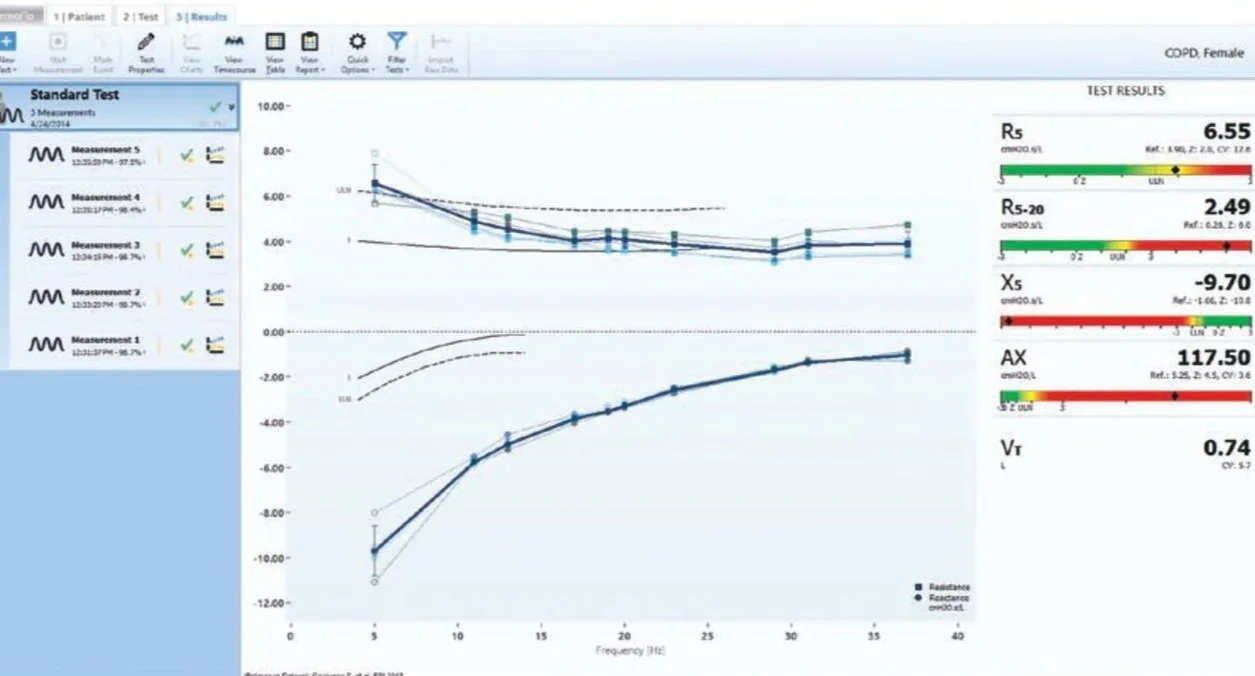
Standard Test
Pre/Post Test
tremoflo® C-100
Airwave Oscillometry System (AOS)®
MEASUREMENT PRINCIPLE
MEASUREMENT MODES
Oscillometry (Forced Oscillation Technique, FOT)Breathe-through Vibrating Mesh (Patented)OSCILLATOR TECHNOLOGY
AOS: Pseudo-random noiseMEASUREMENT DURATION
20 sec (min.), user adjustable. 3 repetitions (as per guideline)PATIENT INTERFACE
Bacterial/viral filter with integrated mouthpieceDIMENSIONS & WEIGHT
19 x 13 x 14 cm, 0.7 kg (handheld only). 21 x 14 x 24 cm, 1.7 kg (handheld & cradle)PERFORMANCE
Meets and exceeds ERJ 2003, 22: 1026-1041